China

China widens anti-corruption net to catch ‘quasi-naked officials’

China widens anti-corruption net to catch ‘quasi-naked officials’

Beijing has quietly tightened restrictions on officials with family members overseas in the past year as part of a sweeping anti-corruption drive, according to sources. Three people familiar with the situation said inspections had been carried out since early last year within government bodies and state-owned enterprises to scrutinise the overseas connections of top officials and executives. In the past, such inspections have sought to identify “naked officials” – those whose spouses and children live overseas. The group has long been a target of Beijing’s anti-corruption watchdog. The latest inspections have broadened to include another category known as “quasi-naked officials”, according to a Communist Party insider who spoke under the condition of anonymity

The Evolving Politics of Climate Change in China

The Evolving Politics of Climate Change in China

China’s approach to climate change is entering a new phase. While Beijing continues to endorse its long-term carbon neutrality goals, its near-term strategy is increasingly centered on building global leadership in clean technology and low-carbon industry rather than accelerating emissions reductions. This report examines the political, economic and strategic forces driving that shift, and what it means for global climate action. In this new report, The Evolving Politics of Climate Change in China, Asia Society Policy Institute’s Center for China Analysis Fellow on Chinese Politics Neil Thomas and Senior Fellow on Chinese Politics Guoguang Wu investigate how clean-energy sectors have become a core pillar of China’s growth model, industrial policy and i
China is hitting Japan where it hurts. Will PM Takaichi give in?

China is hitting Japan where it hurts. Will PM Takaichi give in?

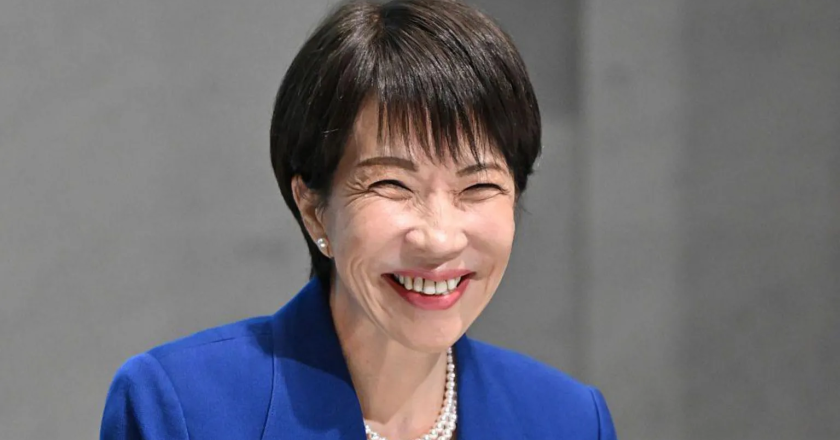
Last month at Tokyo's Ueno Zoo, after receiving thousands of tearful goodbyes from Japanese fans, Xiao Xiao and Lei Lei were put on a plane bound for China - the latest symbols of the deteriorating relationship between China and Japan. The two giant Chinese pandas had to return home after Beijing announced it was taking them back, leaving Japan without any Chinese pandas for the first time in decades. Since Japan's Prime Minister Sanae Takaichi made comments that have plunged ties with China to their lowest level in years, Beijing has been piling on the pressure in a wide range of ways - sending warships, throttling rare earth exports, curbing Chinese tourism, cancelling concerts and even reclaiming its pandas. As Takaichi begins a new term as PM after winning ...
Trump hands Beijing agift: nervous Asian allies

Trump hands Beijing agift: nervous Asian allies

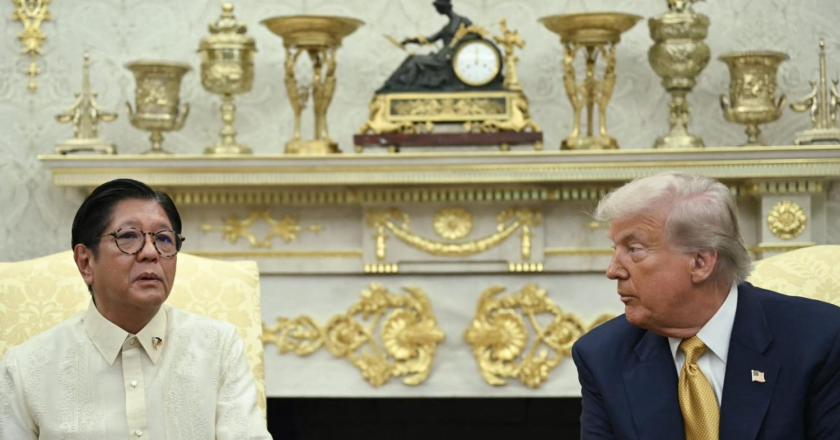
In his oft-cited address at this year’s Davos confab, Canadian Prime Minister Mark Carney warned of nothing less than “a rupture in the world order”, where even the “pleasant fiction” of a rules-based international order has succumbed to a “harsh reality” of power politics. In his thinly veiled criticism of US President Donald Trump, who has threatened closest neighbours and allies with tariffs and even military assault, the Canadian leader warned that America’s partners have the option to “diversify to hedge against uncertainty” in American foreign policy. Having just visited China weeks earlier, where the two sides explored a new partnership after years of acrimonious relationship, the Canadian leader clearly signalled that key Western nations see the Asi
India’s trade options with Russia-China-USA are high-stakes politics

India’s trade options with Russia-China-USA are high-stakes politics

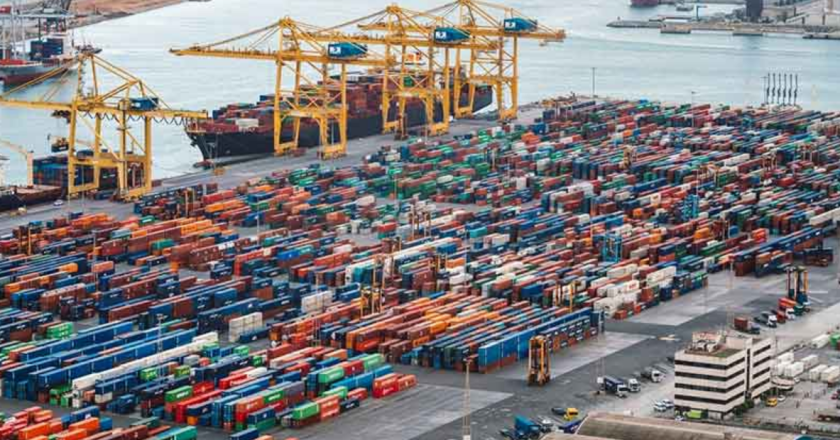
In 2026, American economist Jeffrey Sachs warned India against falling for “America’s tricks” amid rising US tariff pressures, advising, “Don’t close the options with China. Don’t close the options with Russia… Don’t let the United States say, ‘Well, you’re with us, you’re against them, Sachs noted that the US may attempt to “weaken” India as it grows successful, urging independence. Based on the most recent developments as of February 2026, the situation regarding a US-India trade deal is moving from a phase of “intent” to an interim agreement that addresses specific trade tensions. Still a comprehensive Bilateral Trade Agreement (BTA) is still some distance from being finalized. The fine print on the final agreement could feel and be different from what is actually being discusse
Takaichi’s Taiwan Gamble Escalates Japan-China Tensions

Takaichi’s Taiwan Gamble Escalates Japan-China Tensions

Takaichi’s earlier remarks on Taiwan have made foreign policy a key pillar of the election campaign, signalling a harder security line that has intensified tensions with China Just three months into her prime ministership, Sanae Takaichi announced a snap election scheduled for 8 February, seeking to legitimise her policy agenda through a popular mandate and to strengthen the Liberal Democratic Party’s (LDP) position in the lower house. While the campaign has focused primarily on domestic economic issues, such as the rising cost of living, tax relief, wage growth, subsidies, and social welfare, foreign policy and diplomacy also feature prominently as one of the five pillars of the party’s election platform (令和8年政策パンフレット). In unveiling the manifesto, Takayuki Kobayashi, Cha
Vietnam’s ‘balancing act’ with the US, China and Europe

Vietnam’s ‘balancing act’ with the US, China and Europe

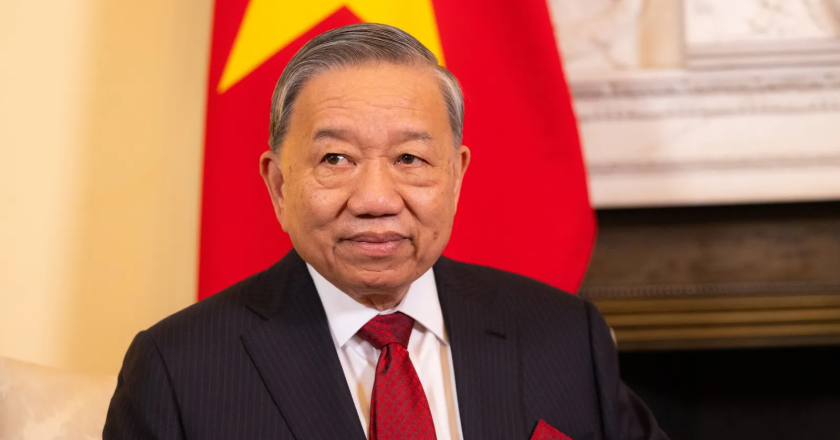
Vietnam has been preparing a “second US Invasion plan” more than 50 years after the end of the Vietnam War, drawn up in the event of an American “war of aggression”, according to an internal military report leaked in a humanitarian report. “There’s a consensus here across the government and across different ministries,” Ben Swanton, co-director of Project88 and the report’s author, told The Associated Press. “This isn’t just some kind of a fringe element or paranoid element within the party or within the government.” ‘Unease’ towards Washington Despite America’s “belligerent nature” there is “little risk of a war”, but it is important that Vietnam stays “vigilant to prevent the US and its allies from ‘creating a pretext’ to launch an invasion of our country”, accordi
The Contest for Bangladesh: US–China Power Politics in the Bay of Bengal

The Contest for Bangladesh: US–China Power Politics in the Bay of Bengal

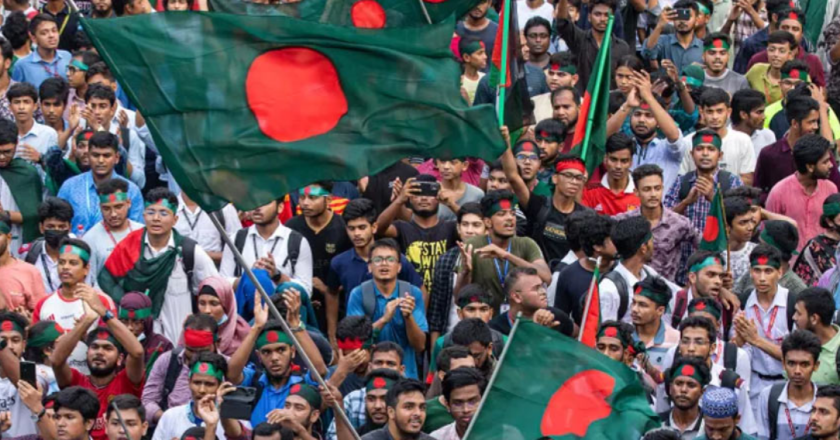
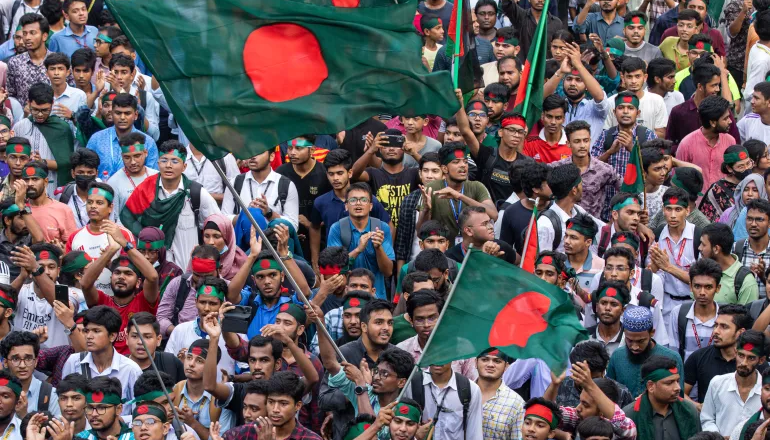
With elections approaching, Bangladesh finds itself at the centre of intensifying US-China competition in the Bay of Bengal, testing its ability to balance rival strategic pulls As Bangladesh’s upcoming election on 12 February approaches, tensions are palpable not only between the contending political parties but also among the country’s top bilateral partners. Days after he was appointed the US envoy to Bangladesh, Brent Christensen expressed concern over China’s growing presence in South Asia and the risks Dhaka could face if it chose to align with Beijing. Beijing, in turn, described these remarks as irresponsible and unfounded, urging Washington "to be more aware of its responsibilities and focus on actions that are conducive to Bangladesh’s stability." Both the US
Bangladesh election: What’s at stake for India, China, Pakistan?

Bangladesh election: What’s at stake for India, China, Pakistan?

As Bangladesh prepares to hold its first elections since the overthrow of then-Prime Minister Sheikh Hasina and her Awami League party in 2024, neighbours India, Pakistan and China are watching closely. Bangladesh is currently being governed by an interim administration led by Nobel laureate Muhammad Yunus. The two main parties competing for power in this month’s polls are the Bangladesh Nationalist Party (BNP) and the Jamaat-e-Islami (JIB), both of which began campaigning in late January. The Awami League, which has historically had close ties with India, has been barred from these elections because of its role in the brutal crackdown on student-led protests in 2024. Hasina, 78, currently in exile in India, was found guilty of allowing lethal force to be use
Beijing condemns Dalai Lama’s Grammy win as ‘anti-China political manipulation’

Beijing condemns Dalai Lama’s Grammy win as ‘anti-China political manipulation’

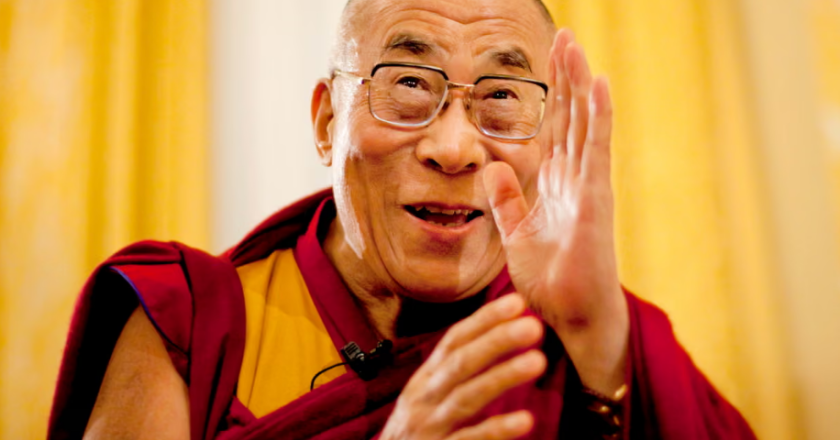
Buddhist spiritual leader wins best audiobook and says he sees win ‘as a recognition of our shared universal responsibility’ The Dalai Lama has taken home his first Grammy award, prompting criticism from China. The 90-year-old Buddhist spiritual leader, who lives in exile in India, was announced as the winner for the narration and storytelling category for his spoken word album, Meditations: The Reflections of His Holiness the Dalai Lama – adding the award to a collection that includes a Nobel peace prize, a presidential medal of freedom and the Gandhi peace prize. “I receive this recognition with gratitude and humility,” he said in a social media post after the awards on Sunday night. “I don’t see it as something personal, but as a recognition of our shar
×