
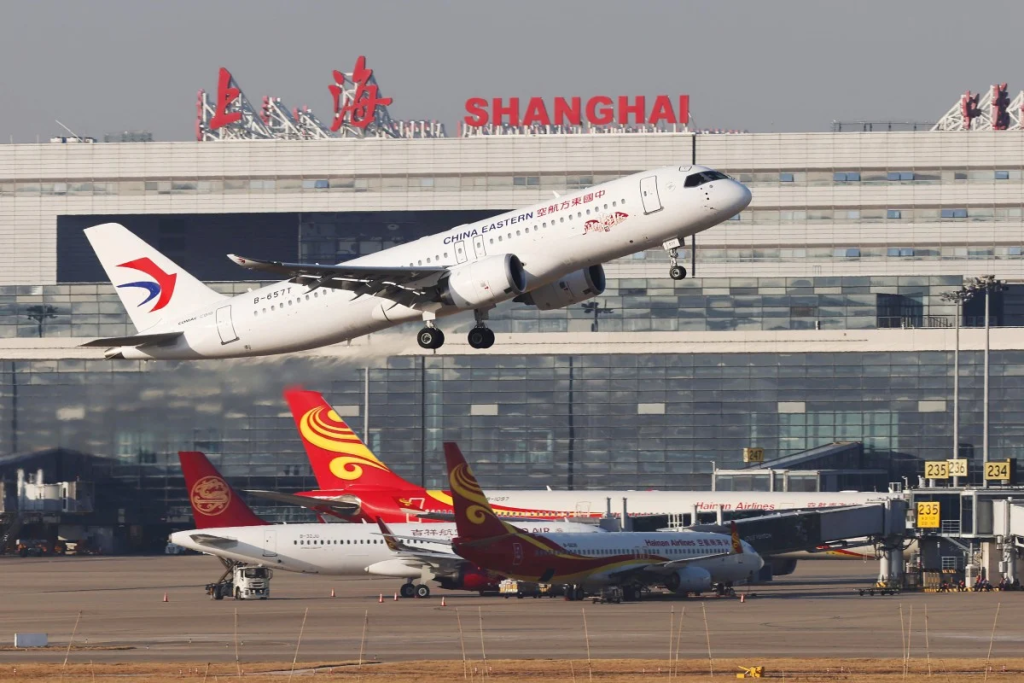
The global air travel market has bounced back to pre-pandemic levels, with the industry upbeat about 2026 and the Asia-Pacific region expected to lead worldwide traffic growth, the International Air Transport Association (IATA) said on Monday.
Load factors in Asia-Pacific were projected to hit an all-time regional high of 84.4 per cent next year, according to IATA, which represents some 370 airlines, accounting for more than 80 per cent of the world’s air traffic.
Passenger demand was strong, with China and India leading regional growth, fuelled by a rebound in tourism and the expanding middle classes, IATA said at a press conference in Beijing.
Direct flights between China and India, the world’s two most populous countries, resumed in late October after a five-year pandemic-induced halt. Scheduled flights are now operating on key routes linking New Delhi with Shanghai and Guangzhou.
“We are optimistic about the industry’s growth outlook,” said Xie Xingquan, regional vice-president of North Asia at IATA. “The easing of visa rules for Chinese visitors by multiple countries and China’s roll-out of unilateral visa policies for foreign travellers have further stimulated travel demand.”
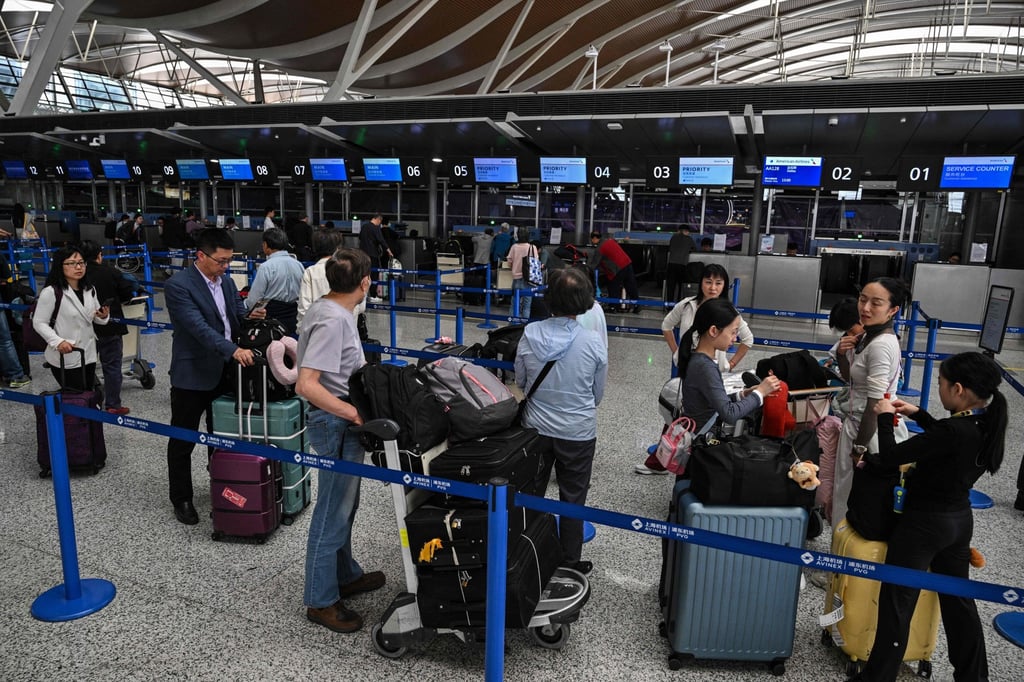
Visa relaxations for Chinese group tours to South Korea, visa-free access for South Korean visitors to China, and the China-Russia reciprocal visa exemption were expected to boost short-term inbound demand during peak holiday periods, Xie said.
He said geopolitical conflicts remained the biggest source of volatility in the aviation sector. Despite tensions between China and Japan, Asia-Pacific was still regarded as the sector’s most stable region.
Globally, airlines were projected to post a combined net profit of US$41 billion in 2026, a record high, up from US$39.5 billion this year, IATA said.
“That’s extremely welcome news considering the headwinds that the industry faces,” said Willie Walsh, IATA’s director general. “Airlines have successfully built shock-absorbing resilience into their businesses that is delivering stable profitability.”
Still, overcapacity posed a challenge amid a slower recovery of international air traffic that weighed on yields. Deflationary pressures in China were also pushing yields lower in the country.
In the freight sector, while Chinese exports to the US declined, substitution effects helped offset the impact of trade frictions, with Chinese goods finding alternative markets, IATA said. Shipments to European and Southeast Asian markets increased, and strong demand for e-commerce product transport further supported growth.
In the first 11 months, China’s exports to the Association of Southeast Asian Nations, its largest trade partner, grew 8.5 per cent year on year.
Shipments to the European Union, the second-largest trading partner, rose 5.4 per cent, while exports to the US fell 16.9 per cent, data from the General Administration of Customs showed.
“Trade tensions will continue to pose headwinds for the cargo transport market next year,” Xie said.